
Behind every multi-story building rises a hidden world of temporary works, structures and strategies essential to keep both progress and people safe. Miss one key element, and the risk multiplies. So, what demands attention when orchestrating temporary works in a multi-level construction site?
Understanding Temporary Works in Multi-Story Construction
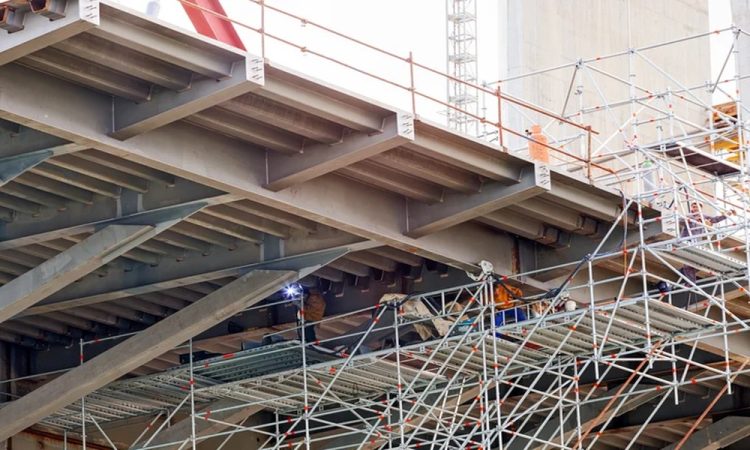
Temporary works are the unsung scaffolds of any construction project. These include everything from shoring towers and formwork systems to bridge supports and custom molds. Their purpose? To provide stability, shape, or support until permanent structures can stand on their own. In multi-story construction, temporary works can be as complex as the final building itself, often spanning several floors and adapting to evolving site conditions.
Choices about temporary structures aren’t just logistical; they’re also shaped by regulations and rigorous safety codes. Each region sets strict standards on load limits, material quality, and installation protocols. Failing to align with these rules can expose workers to hazards and lead to costly project delays. With structures reaching higher and designs growing more ambitious, the regulatory landscape only gets more demanding.
Structural Analysis and Load Assessment
Every successful temporary works plan starts with a sharp-eyed look at existing load-bearing capacities. Before adding tons of scaffolding, formwork, or shoring, engineers must confirm that floors and columns can handle new loads in addition to their own weight. This task is crucial when supporting heavy equipment or when multiple temporary structures interact across several levels.
Temporary loads have a ripple effect on multi-story buildings. For example, stacking shoring on several floors can cause cumulative stresses in ways that differ from standard usage. Structural stability verification becomes the safety net here. Engineers use simulations, manual calculations, and sometimes real-time sensor data to anticipate how a building will respond. When installing or relocating cranes, an in-depth load analysis can reveal whether floor slabs need reinforcing, an insight that can make the difference between smooth progress and a structural mishap.
Design and Implementation of Formwork and Shoring
No two projects are exactly alike, especially when it comes to formwork and shoring. Selecting the right formwork system depends on the nature of the building elements involved. Vertical structures like walls and columns demand one set of solutions, while horizontal elements such as slabs require another. The decision must account for factors like pour sequence, form removal timing, and reusability.
Multi-level support brings additional complexity. Shoring for multi-story buildings isn’t just about stacking props; it’s a calculated choreography of forces. Ensuring that loads are properly transferred and distributed requires both technical expertise and on-site adaptability. Complex architectural features, curved facades, thick transfer slabs, unique vaults, often call for customized solutions. Here, creativity and engineering go hand in hand.
Coordination is vital. The best-laid design can fall apart if not executed precisely on the ground. Continuous dialogue between the engineering team and site crew ensures that plans adapt robustly to real-world challenges. In situations that turn unusual, like supporting temporary walls during seismic upgrades, consulting a specialized ingénieur étaiement NadeauSDM can provide the depth of expertise needed for both analysis and implementation.
Risk Management and Monitoring Throughout the Project
Temporary works come with their own risk landscape. Identifying potential failure points, overloaded supports, shifting soil, unexpected weather, is essential, especially as multi-story projects get taller and heavier. Risks can multiply quickly if left unchecked.
Real-time monitoring, using both manual inspections and digital sensors, keeps problems from turning into disasters. When field conditions shift, perhaps rainfall saturates ground near a shoring base, or an adjacent structure alters load paths, engineers can make immediate adjustments. Re-evaluation and re-shoring protocols are often built into the construction sequence for this reason. These steps may require partial dismantling or reinforcement of existing supports.
Communication and documentation are the glue that keep temporary works stable. Teams must track every change, every inspection, and every incident. This isn’t just bureaucratic detail; it’s a life-saving record that can guide action if unexpected situations arise. Shared digital logs and regular cross-disciplinary meetings can transform a complex undertaking into a collaborative success.
The Underlying Blueprint: Vigilance and Expertise
Planning temporary works for multi-story buildings is not a checklist exercise. It’s a dynamic, ongoing process that blends technical know-how with on-the-ground insight. At every stage, careful verification of design, load capacity, and risk ensures that temporary structures do their silent, essential work, enabling every level of ambition to rise, safely and securely.