
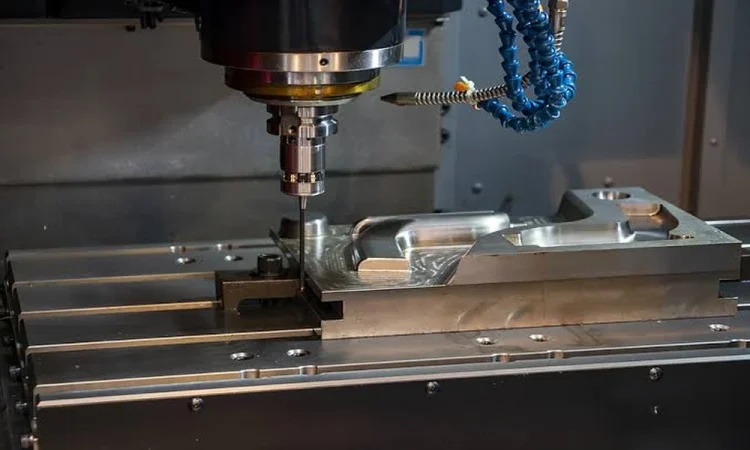
A finished mold looks deceptively simple sitting on a shelf. What it took to get there, the years of accumulated skill in reading a CAD drawing correctly and translating it into a tool that survives thousands of production cycles, is much harder to evaluate from the outside.
Most buyers end up judging a mold making company on things that barely predict whether the tool will actually perform.
Years in Business Tells You Less Than It Sounds Like
Longevity suggests a company hasn’t gone under, which is worth something, but it says very little about whether that specific company can handle a specific project. A shop that’s spent two decades producing simple single cavity tools for one industry may struggle with a complex multi material mold for a completely different one. The right question isn’t how long they’ve operated. It’s what they’ve actually produced that resembles the project on the table.
Ask About Material Specific Experience
Different manufacturing techniques and materials behave very differently once inside a mold. Aluminum and zinc die casting, rubber compression, and plastic injection molding each demand different tooling approaches, tolerances, and cooling considerations. A supplier who’s spent most of their career on one of these can’t automatically be assumed to transfer that skill cleanly to another, even if mold making looks similar on the surface.
The Checklist Worth Actually Using
- Ask for examples of parts they’ve produced in the same material class as the current project
- Ask what tolerance class they typically achieve, and whether that matches what the part actually requires
- Ask how they handle a flawed mold discovered after the first test shots, not just before
- Ask whether they can supply the mold alone or the entire molding process alongside it
- Ask about certifications relevant to quality management
- Ask how many cavities their typical tools run, since single and multi cavity molds require very different engineering approaches
The Handoff From Prototype to Production Is Where Problems Surface
A prototype part, produced in small batches to prove out a design, doesn’t always behave the same way once scaled to full production volume. A mold maker experienced only in one off or low volume work may not anticipate the wear patterns, cooling inconsistencies, or cycle time pressures that only show up once a tool is running thousands of cycles. Asking specifically about experience with that exact transition surfaces a lot about genuine capability.
Why Engineering Collaboration Matters
The strongest relationships with a mold making company tend to look less like a customer handing over a finished CAD file and more like an ongoing conversation. A capable partner will often flag manufacturability concerns in a design before cutting steel, suggesting small geometry changes that don’t affect function but do affect tooling cost. A supplier who never pushes back on a design isn’t doing a buyer any favors.
The mold maker chosen at the start of a project shapes far more than a single tool. It shapes the entire economics of everything produced from it afterward.