
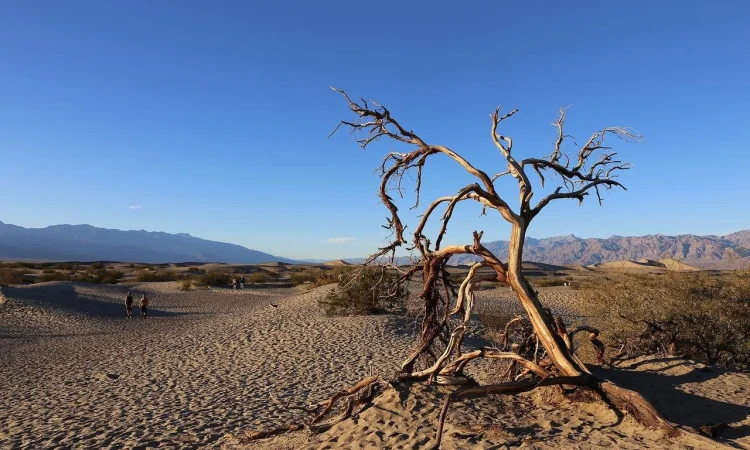
If you’ve wondered do people live in Death Valley, the answer is yes. As of 2026, the population is approximately 1,022 people. While it holds the record for the highest air temperature on Earth (134°F / 56.7°C), a dedicated community of National Park Service employees, researchers, and members of the Timbisha Shoshone tribe call this extreme desert environment home year-round.
Yes, people do live in Death Valley. The small community of Furnace Creek is home to roughly 300-600 full-time residents – National Park Service employees, hospitality workers, and their families who live year-round in what is officially the hottest place on Earth.
Who Actually Lives There
| Community | Population | Who Lives There |
|---|---|---|
| Furnace Creek | ~300-600 | NPS employees, resort staff, support workers |
| Stovepipe Wells | Very small | NPS and resort staff only |
| Panamint Springs | Small | Resort operators and workers |
| Amargosa Valley (near border) | ~1,200 | Adjacent Nevada community |
The “residents” of Death Valley are almost entirely people who work there – running the national park, staffing the Oasis at Death Valley resort, maintaining infrastructure, or working in visitor services. There are no suburban communities or general-public homeowners.
What Life Is Like in Furnace Creek
The Heat
From June through August, daytime temperatures regularly exceed 115°F (46°C). Overnight lows in summer rarely drop below 85-90°F. Outdoor activity during daylight hours in summer is genuinely dangerous for extended periods.
Residents adapt:
- Most outdoor maintenance and physical work happens at night or in early morning
- Air conditioning runs continuously; power infrastructure is critical
- Swimming pools are extremely cold by Death Valley standards (still warm to outsiders)
The Isolation
Furnace Creek sits roughly 2.5 hours from Las Vegas and about 3.5 hours from Los Angeles. The nearest significant city is Las Vegas. Grocery shopping, medical care beyond basic first aid, and most services require a significant drive.
The Oasis at Death Valley has a small store, a medical clinic, and basic amenities – but “running out to the store” is not a casual errand.
The Seasons
Death Valley is only brutally hot in summer. Winter is genuinely beautiful – temperatures in the 60s-70s, stunning desert scenery, and far fewer tourists than in spring. Many park and resort employees describe winter as the best time to be there.
| Season | Temperature Range | Conditions |
|---|---|---|
| Summer (Jun-Aug) | 110-130°F highs | Extremely dangerous; minimal outdoor activity |
| Fall (Sep-Nov) | 75-100°F | Transitional; manageable |
| Winter (Dec-Feb) | 50-70°F | Comfortable; peak for residents |
| Spring (Mar-May) | 70-100°F | Popular tourist season; wildflowers |
The Geology That Creates the Heat
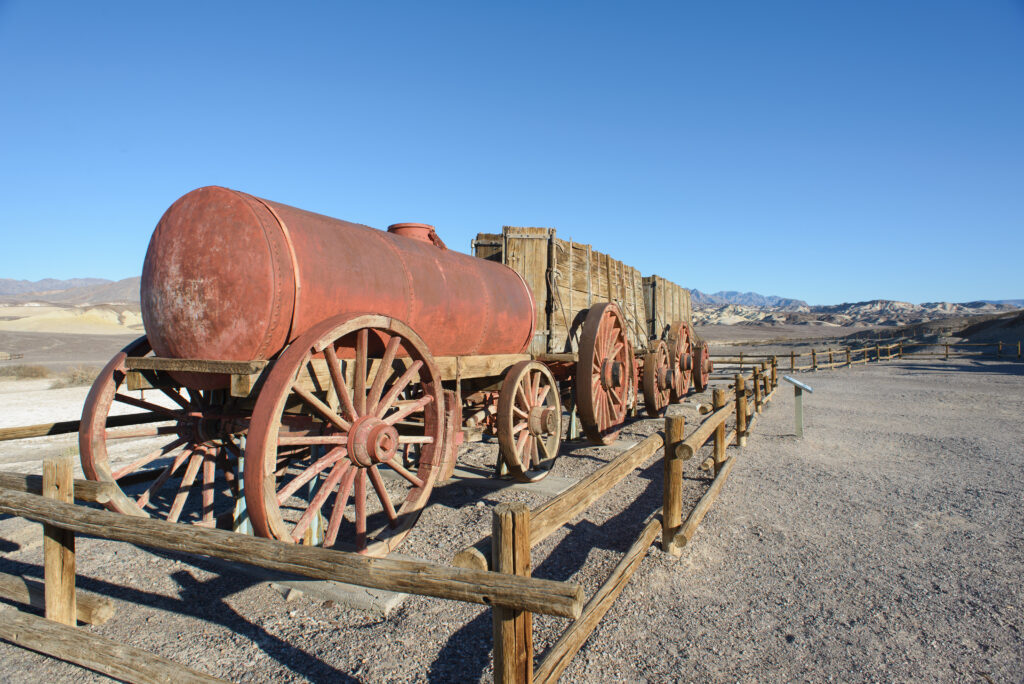
Death Valley is hot for specific geographic reasons:
- Below sea level (Badwater Basin is -282 feet) – air compresses and heats as it descends
- Surrounded by mountains on all sides – traps and radiates heat
- Desert basin – minimal vegetation or moisture to absorb/reflect heat
- Dark mineral soil – absorbs solar radiation efficiently
The mountains that block rain also trap heat. Death Valley is essentially a natural solar oven by geography.
The Tourists Who Come Anyway
Despite (or because of) the extremes, Death Valley National Park receives over 1 million visitors annually – most in fall, winter, and spring. The summer visitors who do come are often attempting to experience the record heat as a bucket-list item. Several die each year from heat-related causes despite extensive warnings.
Bottom Line
Yes, people live in Death Valley – but they’re there to work the national park and resort, not by choice in the lifestyle sense most people mean. A few hundred full-time residents manage year-round living through air conditioning, night-schedule work routines, and a genuine embrace of the extreme environment. The winters are actually pleasant. The summers are genuinely dangerous. And everyone who lives there knows the grocery store is a 100-mile round trip.