

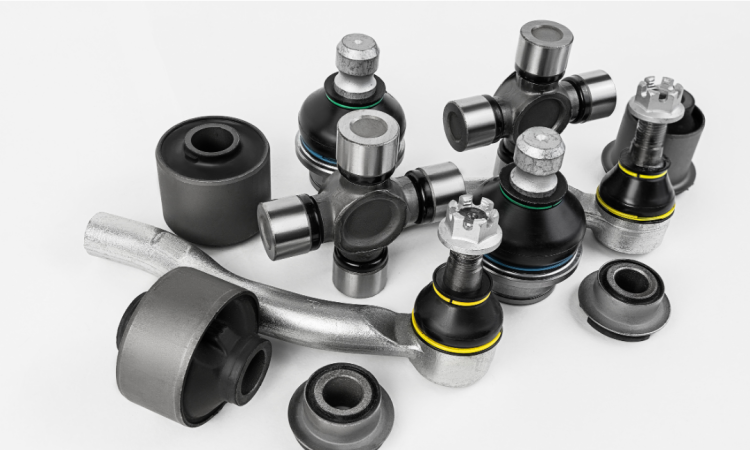
High tolerance parts are a bit different from regular components. They need to match exact measurements, sometimes down to very small limits. With thailand precision machining, this level of accuracy is not just about machines. It comes from how each step is handled from start to finish.
And honestly, even small misses early on can carry forward.
What high tolerance really means in manufacturing
Tolerance is about how much variation is allowed in a part. High tolerance means very little variation is acceptable.
So parts need to be produced as close to the design as possible. Even a tiny shift can affect how the part fits or performs later.
Sometimes it is just a fraction off. But that is enough.
Step by step look at precision production stages
The process usually follows a sequence, but it is not always perfectly smooth.
- Design is prepared with exact dimensions
- Material is selected based on requirements
- Machines are set up carefully
- Tools are chosen for accuracy
- Machining begins with controlled settings
- Finishing steps refine the surface
Sounds structured. But in reality, operators keep adjusting things while the process runs. They do not just press start and walk away.
It needs attention throughout.
Tools commonly used for tight tolerance work
Not all tools are suitable for high tolerance work.
- Precision cutting tools for clean edges
- Measuring instruments for exact checks
- Fine finishing tools for surface quality
The condition of these tools matters a lot. A slightly worn tool can change results, even if everything else is correct.
And this part is easy to overlook.
Challenges teams face during detailed production
Working with tight tolerances brings its own challenges.
- Tool wear affects accuracy over time
- Heat generated during cutting can change dimensions
- Machine alignment needs to stay exact
- Materials may react differently under stress
These issues do not always appear clearly at first. Sometimes they build slowly during the process.
That is where experience starts to matter.
How inspection ensures consistent results
Inspection is not just a final step. It happens throughout production.
Parts are measured at different stages to make sure they stay within limits. If something goes slightly off, corrections are made immediately.
Small variations that can affect final performance
Even small variations can impact how a part works. Not always obvious at first. But over time, these small differences can lead to bigger issues.
High tolerance production is not about one perfect step. It is about maintaining control across every stage.
In many times, thailand precision machining delivers better results when each part of the process is handled with steady attention rather than relying only on machine capability.