

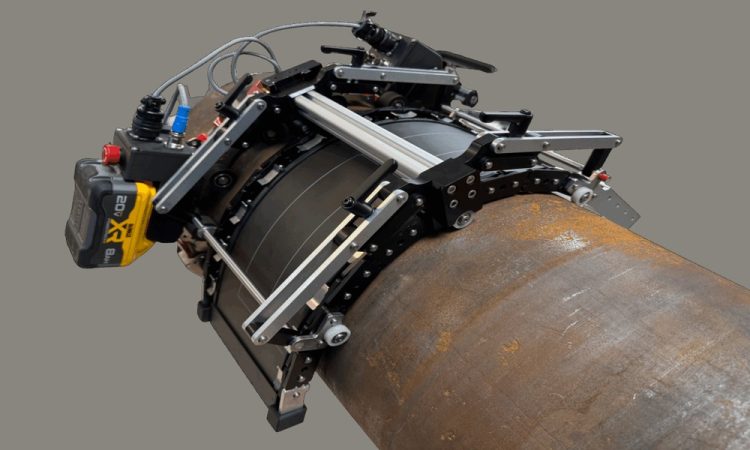
Careful material review supports stronger output across production tasks today. Many industrial units now depend on clear scanning results for steady quality control. Teams require proper image review methods that reduce hidden faults during joining tasks. Fast reporting also supports safer planning through every stage of material checking. Reliable image capture using digital radiography ndt improves staff confidence during detailed review tasks.
Clear Imaging Process
Sharp image collection helps teams notice small material gaps before major damage forms. Better viewing support also reduces repeated checking during regular production activity. Clear results guide staff toward proper repair planning without wasting valuable working hours. Proper review steps maintain strong output during long-term material handling across industrial sectors.
Reliable Surface Review
Careful checking methods support smooth evaluation across thick material sections regularly. Skilled teams depend on stable viewing tools during complex joining operations daily. Better image depth improves judgment through controlled scanning during active production cycles. Many plants select digital radiography ndt because image storage remains simple during industrial review tasks.
- Sharp contrast improves material checking during repeated joining activity daily
- Quick image transfer supports faster review across busy production departments
- Stable brightness levels assist careful fault recognition through scanning sessions
- Proper viewing records reduces confusion during detailed material checking routines
- Clear storage methods support smooth report handling for quality teams
Strong Material Stability
Careful scanning helps staff notice weak joining sections before damage spreads further. Clear material review protects production flow through accurate checking during active schedules. Better fault recognition also supports smoother planning across demanding work routines daily. Skilled operators depend on steady image results during heavy material assessment across industrial plants.
Faster Review Output
Quick result handling supports smooth communication between supervisors during routine checking periods. Teams save valuable time because image files remain simple for future reference.
- Fast record access improves communication between quality staff during inspections
- Detailed picture storage supports proper tracking through future maintenance planning
- Stable scanning methods reduce wasted effort during active production routines
- Clear material findings support safer handling through demanding work schedules
- Proper review timing strengthens output across regular joining assessment activities
Skilled Team Coordination
Well-trained operators support better image review through controlled checking routines daily. Clear communication between staff members improves material handling across demanding production schedules. Proper planning also supports safer working conditions during long scanning sessions regularly.
Careful scanning methods support stronger material handling through accurate checking routines daily. Clear image review helps staff reduce hidden joining faults before damage spreads further. Better planning also supports safer production activity during demanding schedules across many sectors. Reliable report handling allows teams to maintain smooth output while protecting valuable materials through proper checking methods.
FAQs
Why do clear scanning results support safer joining material checks?
Clear findings help teams reduce hidden faults during regular production routines.
Why do skilled operators prefer modern image review methods today?
Reliable viewing tools support quicker judgments during active material assessment periods.
Why does proper report storage improve future maintenance planning activities?
Organized records guide supervisors through smoother repair preparation during routine operations.