

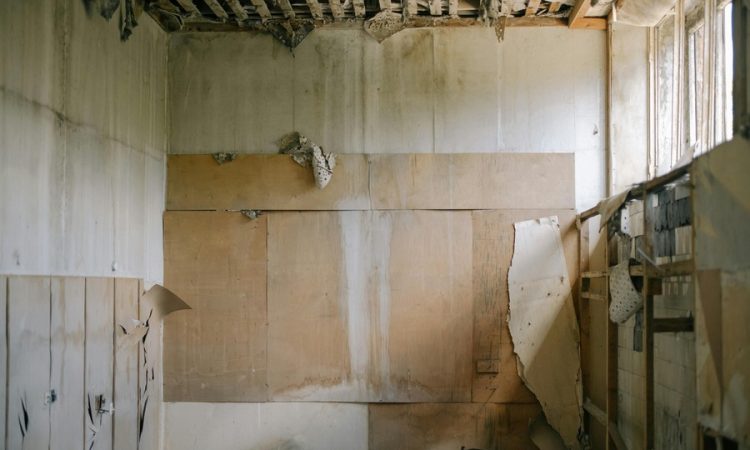
Asbestos abatement is one of the most tightly regulated processes in the construction and property management industries, and for good reason. When done correctly, abatement removes or contains dangerous asbestos fibers before they can harm workers, occupants, or the surrounding community. When done improperly, the consequences can be severe, ranging from substantial fines and project shutdowns to criminal charges and civil lawsuits that follow a business for years.
Why Proper Abatement Is Non-Negotiable
Asbestos fibers are microscopic and odorless. Once disturbed, they can remain airborne for hours and travel well beyond the immediate work area. Exposure to these fibers is the primary cause of mesothelioma, a rare and aggressive cancer with a poor prognosis, as well as other serious illnesses including asbestosis and lung cancer. There is no safe level of asbestos exposure, which is why both federal and state regulators treat any deviation from abatement standards as a serious matter.
The Occupational Safety and Health Administration sets strict standards for worker protection during abatement projects, including requirements for personal protective equipment, air monitoring, decontamination procedures, and worker training. The Environmental Protection Agency governs the handling and disposal of asbestos waste materials. Many states add their own layer of requirements on top of federal rules, sometimes stricter, sometimes with additional licensing requirements for abatement contractors.
What Constitutes Improper Abatement
Improper abatement can take many forms. Some violations are the result of deliberate cost-cutting, such as skipping required air monitoring, disposing of asbestos materials in regular dumpsters, or failing to wet materials before removal to prevent fiber release. Other violations happen because a contractor did not realize they were working with asbestos-containing materials, which underscores the importance of proper inspection before any renovation or demolition begins.
Common examples of improper abatement include failing to isolate the work area with proper containment barriers, not using required HEPA filtration systems, allowing non-certified workers to handle asbestos materials, and neglecting to notify the appropriate regulatory agencies before beginning work. In some jurisdictions, even failure to post required notices can trigger enforcement action.
Regulatory Penalties
OSHA can impose civil penalties of up to $16,131 per violation for serious violations, and penalties for willful or repeated violations can reach $161,323 per incident. These numbers can stack up quickly on a single project if multiple violations are cited. The EPA has similar penalty authority under the Clean Air Act, and state environmental agencies often have their own enforcement powers on top of that.
Beyond fines, regulators can issue stop-work orders that halt a project entirely until compliance is achieved. This can be economically devastating for a contractor or property owner, especially when project timelines and contracts are already in place. The reputational damage from a publicized enforcement action can also cost a business future contracts.
Criminal Liability
In the most serious cases, improper asbestos abatement can result in criminal prosecution. When regulators determine that a contractor or business owner knowingly violated asbestos handling rules, particularly when that conduct put workers or the public at risk, prosecutors have pursued charges ranging from negligent endangerment to manslaughter. Criminal convictions can result in significant fines and imprisonment, and they permanently affect the individuals involved.
Prosecutors have been particularly aggressive in cases where asbestos waste was illegally dumped, where falsified air monitoring records were submitted to regulators, or where a contractor continued working after receiving a stop-work order.
Civil Liability
Beyond regulatory enforcement, improper abatement opens the door to civil lawsuits. Workers who were exposed to asbestos during an improperly conducted abatement project may develop mesothelioma or other illnesses years or even decades later. When that happens, they or their families may file suit against the contractor, the property owner, or both.
Civil judgments in mesothelioma cases can be substantial. Verdicts and settlements routinely reach into the millions, and in cases with egregious conduct, punitive damages can amplify those amounts further. Property owners who hired unlicensed or uncertified contractors can be held jointly liable if they knew or should have known the work was being done improperly.
Protecting Your Business
The cost of doing abatement correctly is always less than the cost of doing it wrong. Before any renovation or demolition project on a building constructed before 1980, commission a professional asbestos survey. Hire only licensed and certified abatement contractors. Verify that the contractor is following all federal, state, and local requirements, and keep documentation of every step of the process.
Insurance is another consideration. Standard general liability policies may not cover asbestos-related claims, so business owners involved in construction or property management should review their coverage carefully and consider pollution liability policies that specifically address asbestos exposure.
Taking shortcuts during abatement may seem like a way to save money in the short term. The legal, financial, and human costs of getting it wrong make that calculation one no responsible business owner should risk.